What I’ve Learned in 25 years in Healthcare
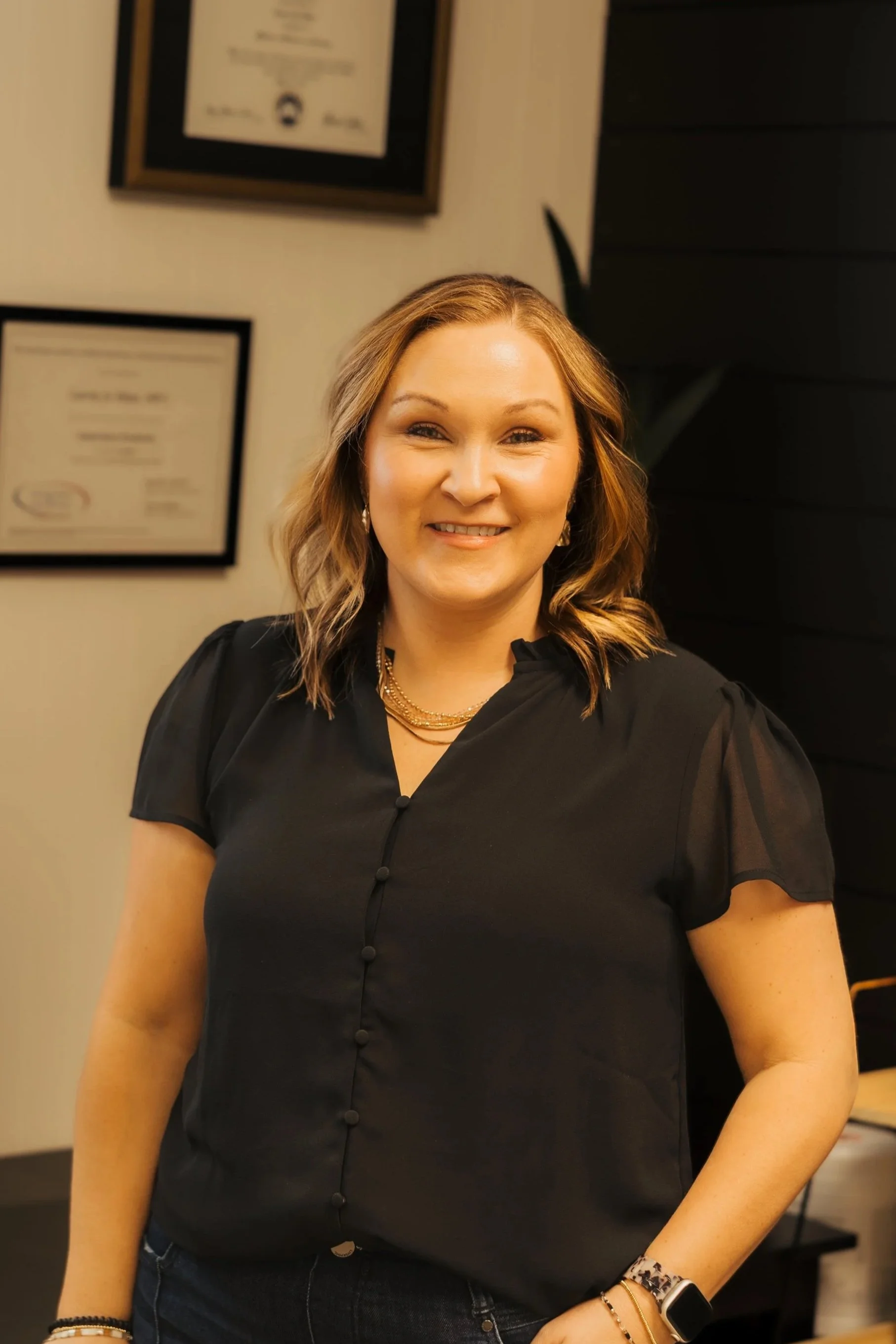
Why I Chose Cash-Pay Medicine After 25 Years in Healthcare
Why time, listening, clinical freedom and personalized care matter.
After more than 25 years in medicine, there are a few things I know for sure.
Perhaps the biggest is this:
Medicine should be personal.
No two patients are exactly alike. Your symptoms, labs, medical history, lifestyle, risk factors and goals all matter. Your healthcare should reflect that.
Yet somewhere along the way, healthcare has become increasingly difficult to personalize.
One of the greatest skills in medicine is listening
I've learned that one of the most valuable skills a healthcare provider can have isn't something you'll find on a diploma or certification.
It's the ability to listen.
Sometimes the most important piece of the puzzle isn't on a lab report.
It's something a patient tells me during a conversation. It's the symptom they almost didn't mention. The subtle change they've noticed over the past year. The fact that everything looks “normal,” but they know they don't feel like themselves.
Those conversations matter.
But meaningful conversations require something our healthcare system doesn't always give providers enough of:
Time.
When patients feel dismissed, it isn't always because their provider doesn't care
There are incredibly talented, compassionate providers working within traditional healthcare.
But many are practicing within systems that require them to see more patients in less time while simultaneously managing documentation, insurance requirements, prior authorizations and an ever-growing administrative burden.
Patients feel the effects of that.
They leave appointments feeling rushed. They may feel unheard or dismissed. They may wonder why there wasn't time to talk about the other three things that have been bothering them.
Often, it isn't because their provider doesn't care.
It's because the system wasn't designed to give them enough time.
I know because I spent years practicing within that system.
And eventually, I knew I wanted to practice differently.
Insurance coverage and good clinical care aren't always the same conversation
Insurance is incredibly important. We need it for hospitalizations, surgeries, specialty care, expensive diagnostics and countless other parts of our healthcare system.
But I don't believe insurance coverage should be the sole factor determining what a patient's healthcare looks like.
There is a difference between asking:
“Will insurance pay for this?”
and asking:
“Is this clinically appropriate for this patient?”
Sometimes those answers align perfectly.
Sometimes they don't.
I wanted the freedom to have the second conversation first.
Why I chose a cash-pay model
This is one of the biggest reasons I chose to build Rural Revival as a cash-pay practice.
It allows us to create a different relationship with healthcare.
More time to listen.
More opportunity to educate.
More flexibility to investigate.
More attention to prevention.
More ability to look at the whole picture instead of focusing solely on the immediate complaint.
And more freedom to individualize care based on the person sitting in front of me.
Cash-pay medicine isn't about doing more treatments. It's about having more freedom to practice thoughtful medicine.
That's an important distinction.
Sometimes good medicine means doing less
Personalized healthcare doesn't mean ordering every lab, prescribing every medication or recommending every treatment available.
In fact, after 20+ years in medicine, I've learned that good clinical judgment often means knowing when not to intervene.
Sometimes the right answer is a prescription.
Sometimes it's nutrition, movement, sleep, stress management or another lifestyle change.
Sometimes we need more information before making a decision.
Sometimes a patient needs a specialist whose expertise is better suited to the problem.
And sometimes the right answer is simply:
“I don't think you need treatment.”
That is also good medicine.
You're investing in more than an appointment
When someone chooses a cash-pay medical practice, it's easy to look at the price of an appointment, lab panel or program and compare it directly with another option.
But what you're investing in extends beyond the appointment itself.
You're investing in time.
Time for someone to listen and understand what's actually happening.
You're investing in experience.
More than two decades of caring for patients and learning that medicine rarely fits perfectly into an algorithm.
You're investing in clinical judgment.
Knowing what deserves attention, what needs further investigation, when treatment is appropriate—and when it isn't.
You're investing in personalization.
Because your healthcare shouldn't look exactly like everyone else's.
And perhaps most importantly, you're investing in a healthcare relationship where you should feel comfortable asking questions, understanding your options and participating in decisions about your own health.
This is why Rural Revival exists
After more than 20 years in medicine, I knew exactly what kind of healthcare I wanted to provide.
More time.
More listening.
More clinical freedom.
More personalized care.
I didn't want to build a practice around how many patients we could move through the door.
I wanted to build one around how well we could care for the person who walked through it.
That's the philosophy behind Rural Revival.
We're continuing to build a different kind of healthcare experience for our rural communities—one centered around relationships, prevention, education, clinical judgment and truly personalized care.
Because where you live shouldn't determine the quality of healthcare you have access to.
Personalized, high-quality medical services — delivered with integrity, excellence, and small-town compassion.
— Carrie Haar, FNP-C
Founder, Rural Revival